
BLOOD RED SEA: Houthis Stage Second Deadly Attack to Cargo Ship in 2 Days, as Rebel Yemeni Group Releases Complete Video of the Attack and Sinking of ‘Magic Seas’ (WATCH)
Second ship attack in two days by the Houthis turns deadly.

Second ship attack in two days by the Houthis turns deadly.

The European Union is planning to sanction Israel next week over the Gaza conflict.

Hungarian Prime Minister Viktor Orbán is the man that the Brussels Globalist establishment ‘loves to hate’.

Andrew Rettman, writing for the EUObserver, a favored outlet among Eurocrats, has urged the European Union to escalate its efforts to pressure Hungary and Slovakia for their sovereigntist stances.

In a stunning display of economic leadership, the administration of President Donald J.

Just days after President Trump’s historic NATO breakthrough forced allies to double defense spending, the economic dividends are already materializing.

There is perhaps no one more devoted to defending the whole edifice of the failed Globalist policies than the President of the European Commission, Ursula von der Leyen.

Dmitry Medvedev is the Deputy Chairman of the Security Council of Russia, having also served as President and Prime Minister of Russia.
All well-informed Conservatives know that the European Union Globalists and her powerful Commissioner Ursula von der Leyen (VDL) are guilty of weaponizing the Union’s powers against the patriotic forces that oppose their suicidal policies.
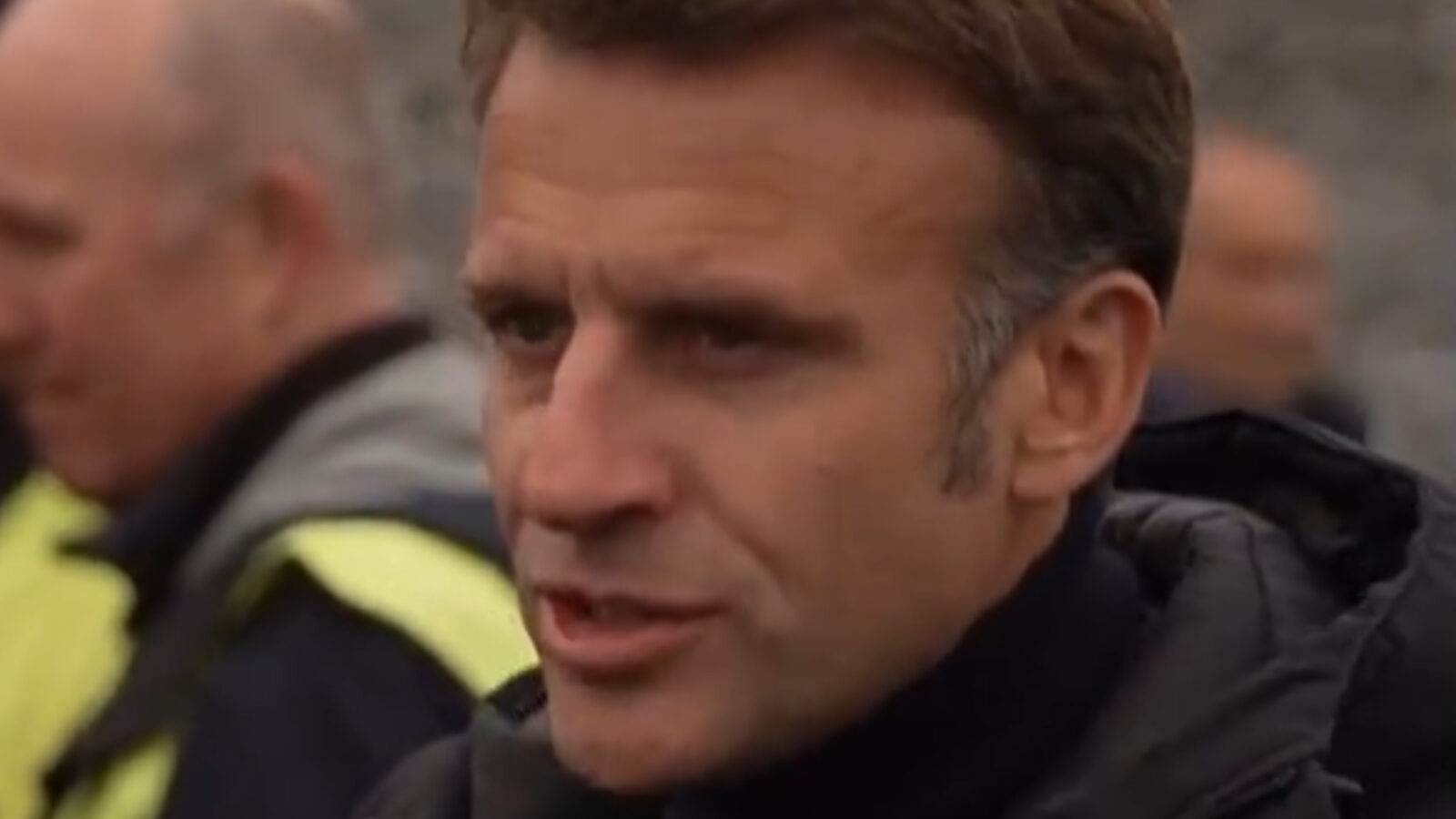
French President Emmanuel Macron arrived Sunday in Greenland, marking the first visit by a foreign head of state since President Trump announced his interest in the territory earlier this year.

The French police slacking in their job to impede illegal migrant boats to cross the English Channel towards the UK, and on top of that, the people smugglers are varying their approach, and adopting a dangerous new tactic: they are simultaneously launching multiple small boats at once, in a swarm, to try and escape French police.
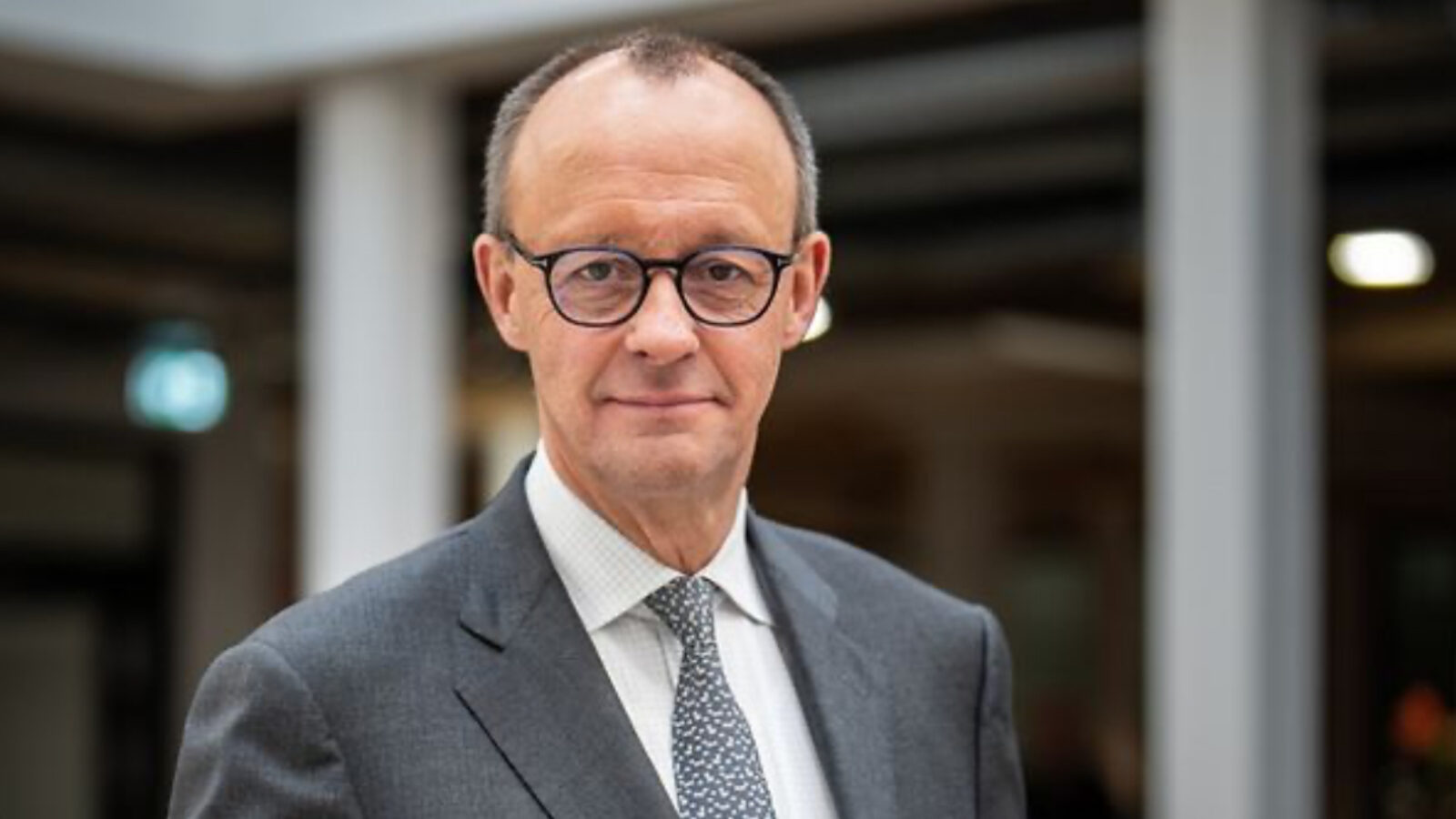
President Trump is scheduled to host German Chancellor Friedrich Merz at the White House for a bilateral meeting on Thursday. Merz is expected to arrive at 11:30 am ET and participate in the bilateral meeting at 11:45 am.

One of the world’s most famous candies will no longer have a dangerous ingredient linked to cellular and DNA damage.

In a striking turn of events that lays bare the deepening rift within the European Union, German Chancellor Friedrich Merz has issued open threats against Hungary and Slovakia, warning that Berlin and Brussels may cut off vital EU funding if the two nations continue charting their own path on Russia and Ukraine.

Failing British Prime Minister is under fire for his ‘Brexit Reset’ deal with the European Union, in which he basically sold out his Fishing Industries by allowing EU boats unfettered access to the UK’s waters for the next 12 years.

The Constitutional Court of Italy has issued a ruling that will allow two women to be registered as mothers of a newborn conceived through assisted reproduction abroad.

The UK’s ‘reset deal’ with the European Union continues to send Geopolitical waves across Britain and the continent.

Spanish Prime Minister Pedro Sánchez ignited an international firestorm on Wednesday after publicly calling Israel a “genocidal state” during a heated parliamentary session, marking the first time the socialist leader used such language, despite his government’s long-standing alignment with anti-Israel rhetoric.
In a ruling that’s shaken the corrupt foundations of the European Union, the EU’s top court has declared that Commission President Ursula von der Leyen broke transparency rules by hiding secret text messages she exchanged with Pfizer CEO Albert Bourla—just as the EU was locking itself into the biggest vaccine deal in its history.

President Donald Trump took aim at the globalist-led European Union this week, declaring it “nastier than China” and exposing what he says are decades of unfair trade practices that have left American workers and industries in the dust.

Eurocrats were thrown into an uproar last week after Polish presidential candidate and European Parliament member Grzegorz Braun—known for his provocative theatrical stunts—set fire to the European Union flag, condemning what he called the EU’s ‘ideological occupation’ of Poland by a globalist elite.

Hungary is standing its ground as the European Union’s globalist ‘leaders’ push forward with plans to fast-track Ukraine’s membership.

This story originally appeared on vigilantfox.com and was republished with permission.

The already icy relationship between Hungary and Ukraine took a sharp turn for the worse late last week after both nations expelled two of each other’s diplomats in a tit-for-tat espionage row that reveals not only worsening bilateral tensions but also raises fresh doubts about Ukraine’s readiness to join the European Union.

Anti-globalist Prime Minister of Slovakia, Robert Fico, is unapologetic after receiving criticism from the EU establishment, with the usual cheering by the USAID-media.

While some scientists have decided that it’s a ‘great idea’ to bring back from extinction the big dire wolves of olden days, in the real life, the lupine packs present a real danger and a dividing issue in Europe.

In a bold stand against the chief representative of the globalist elite in Brussels, Prime Minister Viktor Orbán stated Hungary will not be dragged into war by the unelected bureaucrats of the European Union, and it will not support Ukraine’s fast-tracked accession into the EU at the expense of Central European prosperity.

Starting in 2027, the European Union will expand its emissions trading system (ETS) into new territories, including the maritime sector. This move is part of the EU’s efforts to combat climate change and reduce greenhouse gas emissions.

Russia captured Crimea under Obama. Under Biden, they launched a full-scale invasion of Ukraine, and for two years, he made no serious effort to stop the war or negotiate a deal that would spare U.S. taxpayers from footing the bill.

Nina Jankowicz, formerly the Biden Administration’s “disinformation czar,” resurfaces in Europe, targeting the U.S. with incendiary rhetoric. Her controversial statements raise vital questions about American democracy and its global perception.

Italian Prime Minister Giorgia Meloni’s recent meeting with President Trump signals a bold new alliance, challenging conventional narratives and advocating for a revitalized partnership to “Make the West Great Again.”
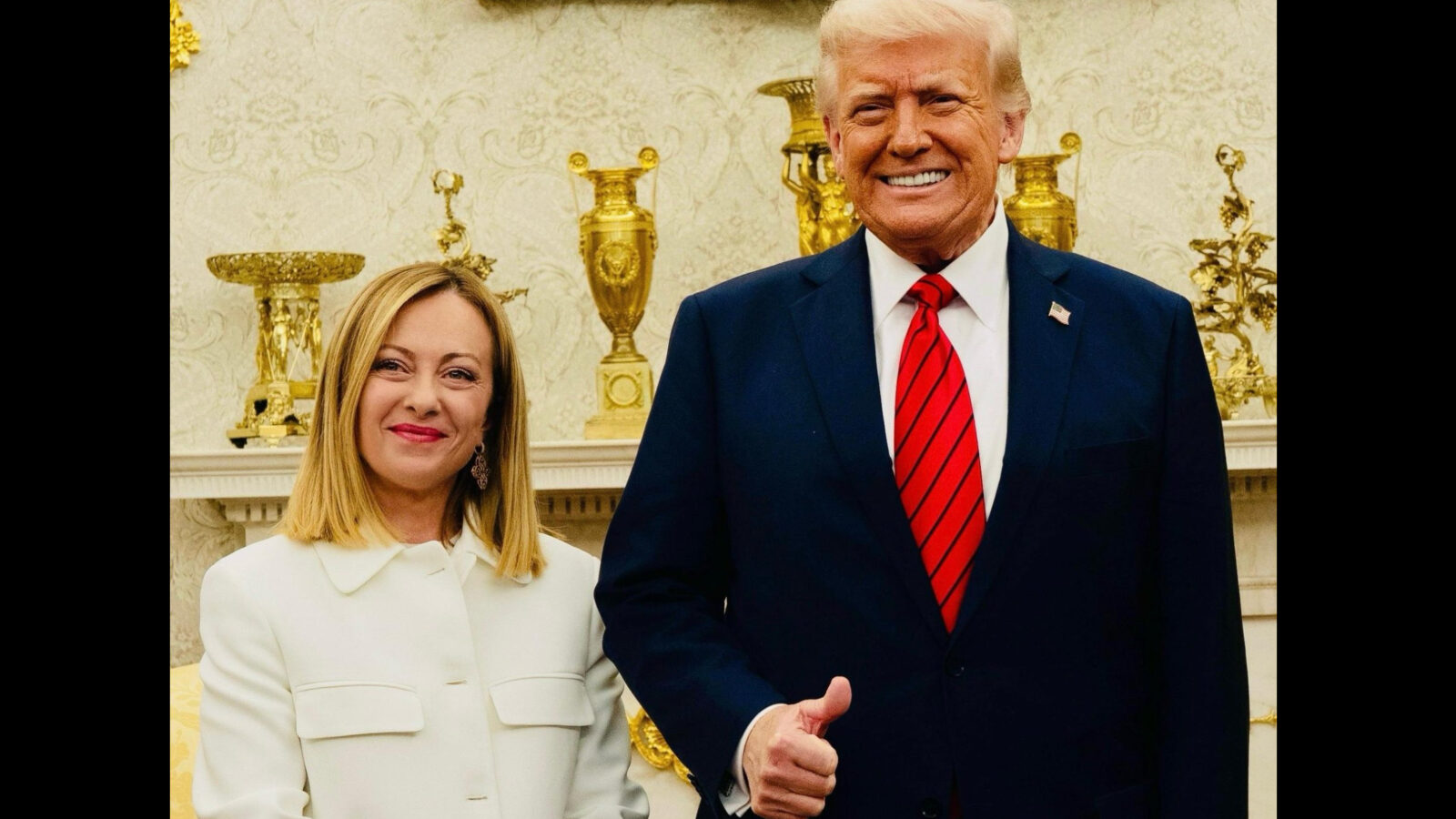
Italian Prime Minister Giorgia Meloni and former President Trump unite in a bold vision for the West, emphasizing a shared commitment to conservative values and addressing pressing global challenges. Their recent meeting signals a transformative partnership.

Italian Prime Minister Giorgia Meloni’s visit to Washington marks a pivotal moment in U.S.-Italy relations, as she and President Trump prepare to discuss key international issues.

Tensions escalate as the EU warns leaders against attending Russia’s May 9th celebration, with Slovak PM Fico defiantly asserting his plans to participate, while Serbia’s Vucic faces increasing pressure.

In a surprising shift, the European Union is willing to renegotiate trade terms with the U.S., suspending retaliatory tariffs and proposing a zero-for-zero tariff strategy. What does this mean for transatlantic relations?

Trump’s stance on trade deficits transcends mere economics; it reflects a broader strategy to restore American manufacturing and national sovereignty against unfair foreign practices. Unpack the implications of his tariff policies.

Deputy PM Vulin sharply criticizes Brussels for alleged interference in Serbia’s governance, asserting the nation’s stance against war with Russia as the EU considers sanctions. This bold statement raises significant geopolitical implications.

President Trump’s new global tariff policy has taken effect, targeting countries with unfair trade practices. Learn how these changes will impact international relations and the American economy.

The European Union’s recent decision to fund NGOs raises critical questions about sovereignty and intervention. This article delves into the implications of these actions for national governments and democratic integrity.

President Trump’s recent tariff order presents a comprehensive approach to addressing America’s trade imbalances, intertwining economic policy with national security. Unpacking its detailed rationale reveals a strategic defense of U.S. economic sovereignty.

The EU’s response to recent U.S. tariffs reveals a complex web of economic tensions. This analysis delves into the implications for international trade and U.S. interests.

In a heated exchange, Agriculture Secretary Brooke Rollins challenges Jake Tapper’s criticisms, asserting the superiority of American agricultural exports amid ongoing tensions with the EU. This confrontation highlights significant political and economic implications.

Ursula von der Leyen’s European Commission is under scrutiny for funneling millions to environmental groups to undermine political adversaries. This revelation raises critical questions about transparency and accountability in EU governance.

Archbishop Carlo Maria Viganò’s address at the Eurasia conference critiques globalism and warns of a looming authoritarianism, urging a return to Christian principles amidst escalating geopolitical tensions. A thought-provoking read for those concerned about the future.

High-profile figures like Trump, Vance, and Musk rally in support of Marine Le Pen, igniting a fierce debate over political freedom and the implications of her controversial ban in France.

Richard Grenell’s bold proposal to cancel a $5 billion U.S. loan for France’s TotalEnergies project reflects escalating tensions between the U.S. and Europe, igniting a crucial debate on international investment strategies.

With President Trump facing accusations of being a Russian agent, this analysis reveals how his extensive sanctions, rather than tariffs, have drastically reduced U.S.-Russia trade, challenging prevailing narratives about his foreign policy.

The European Union is poised to impose a staggering $1 billion fine on Elon Musk, citing failures to curb disinformation and protect against opposing viewpoints. This escalating conflict raises crucial questions about free speech and regulation.

President Trump’s “reciprocal tariffs” policy has prompted several nations to reduce import duties on U.S. goods, reshaping global trade dynamics. Unpack the implications of this significant development.
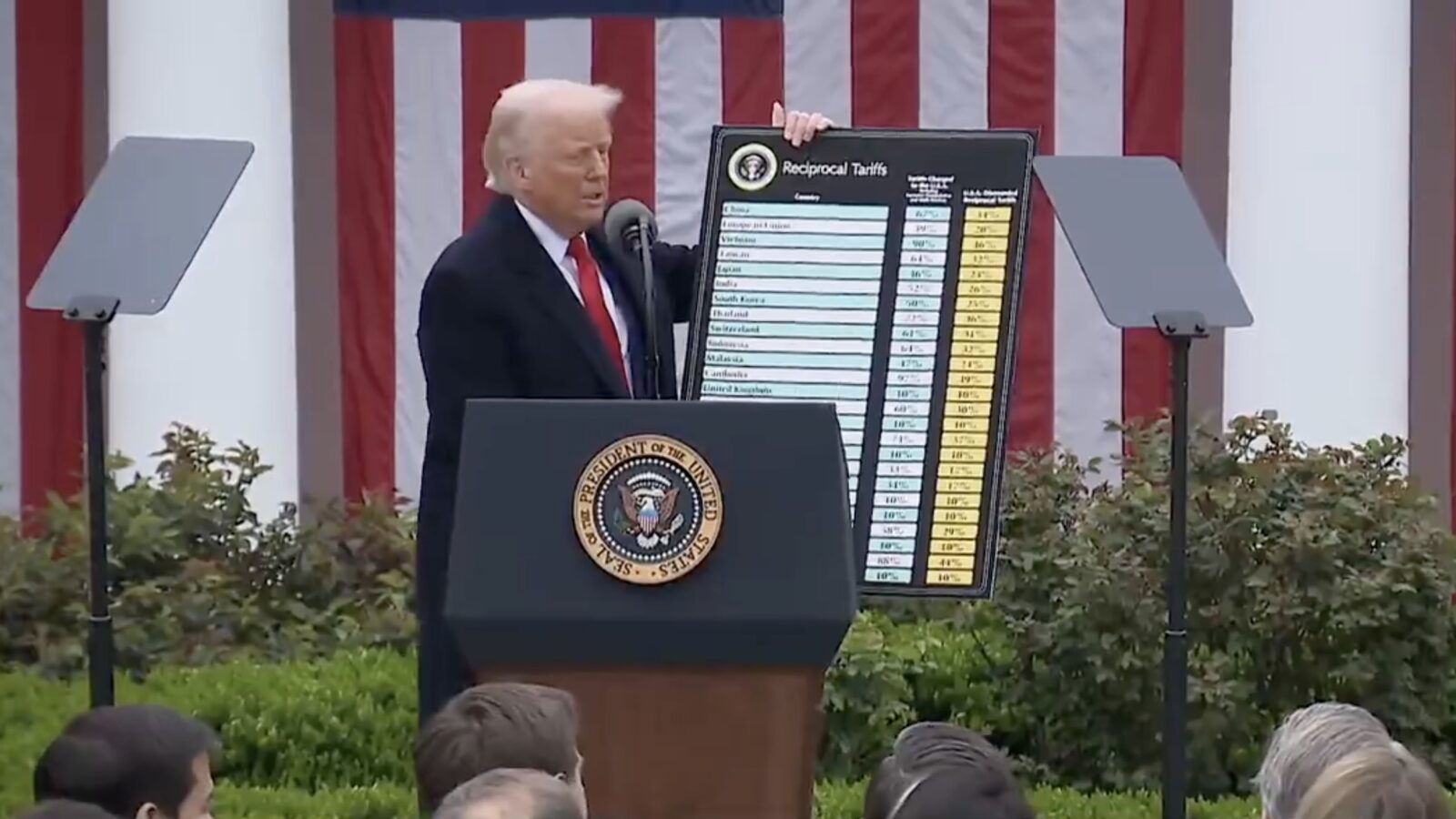
In a bold move to reshape U.S. trade policy, President Trump has announced a 10% baseline tariff on all imports, promising to target nations deemed ‘worst offenders’ with additional penalties.

Elon Musk’s recent acquisition of X by xAI marks a pivotal moment in the battle against European censorship, merging cutting-edge AI with social media to challenge regulatory overreach and champion freedom of expression.

In a stunning legal blow to French democracy, opposition leader Marine Le Pen faces imprisonment and a ban from the 2027 presidential race. The implications for France’s political landscape are profound.

In a striking shift towards preparedness, the EU urges citizens to stockpile essential supplies for 72 hours, reflecting growing concerns over potential crises. This call to action raises critical questions about current and future socio-political stability.
As Marine Le Pen rises in the polls ahead of the 2027 election, the French establishment intensifies efforts to sideline her through a controversial trial. The implications could reshape France’s political landscape.

As ordinary Europeans grapple with soaring living costs, EU officials secure yet another pay raise, highlighting a stark contrast between political elites and the citizens they serve. This disparity fuels growing public outrage.
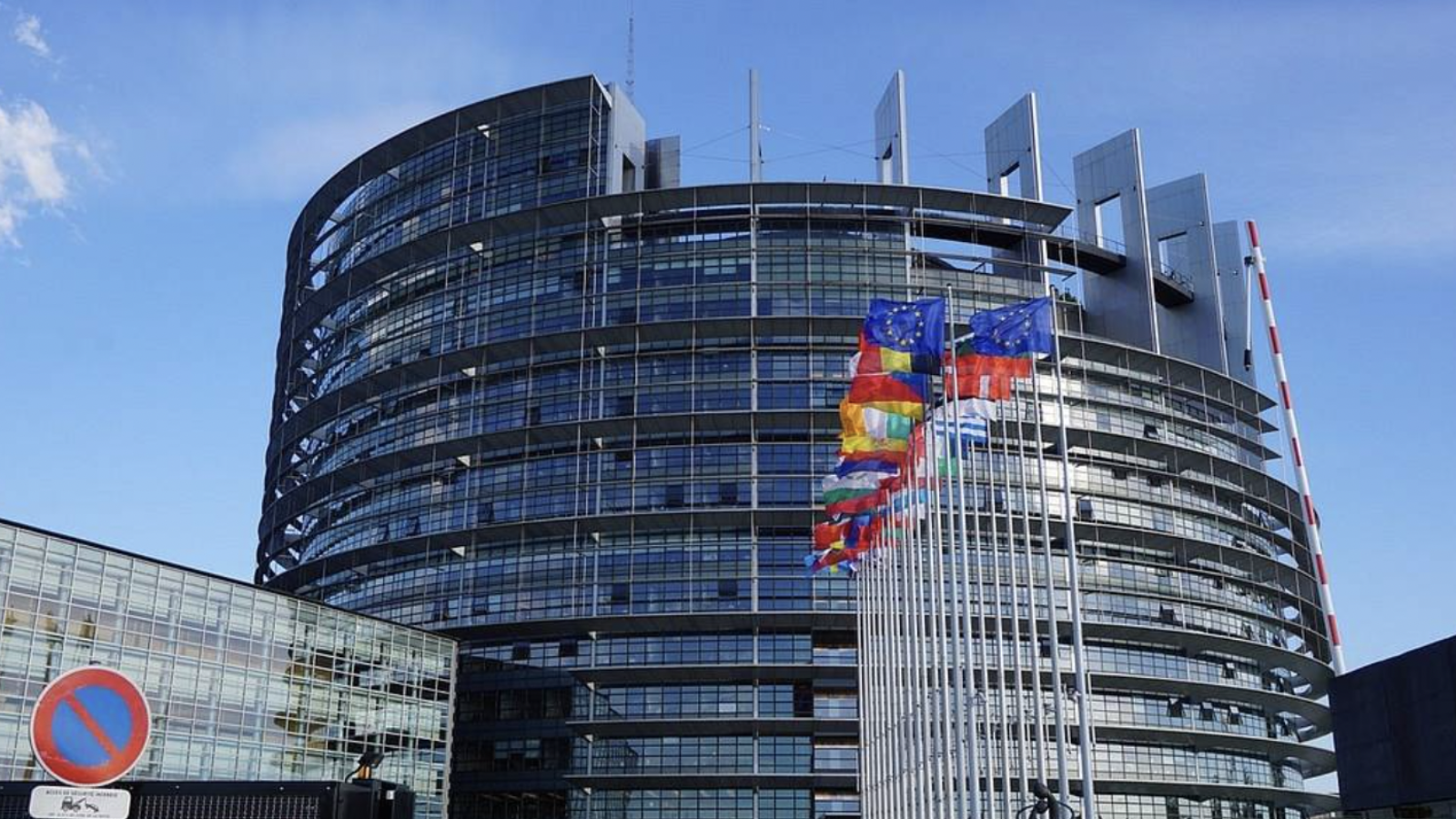
A fresh corruption scandal involving Huawei has rocked the European Parliament, implicating 15 MEPs and resulting in multiple arrests. This unfolding crisis raises alarming questions about foreign influence in EU governance.

Hungarian Prime Minister Viktor Orbán challenges the EU’s financial commitment to Ukraine, asserting that promises are unfulfilled while advocating for a shift towards diplomacy over military support. His vetoes could reshape EU foreign policy.

Gustav Kasselstrand, leader of Alternative for Sweden, argues that the EU’s embrace of nationalism is a deceptive strategy to consolidate power, threatening the sovereignty and diversity of European nations.
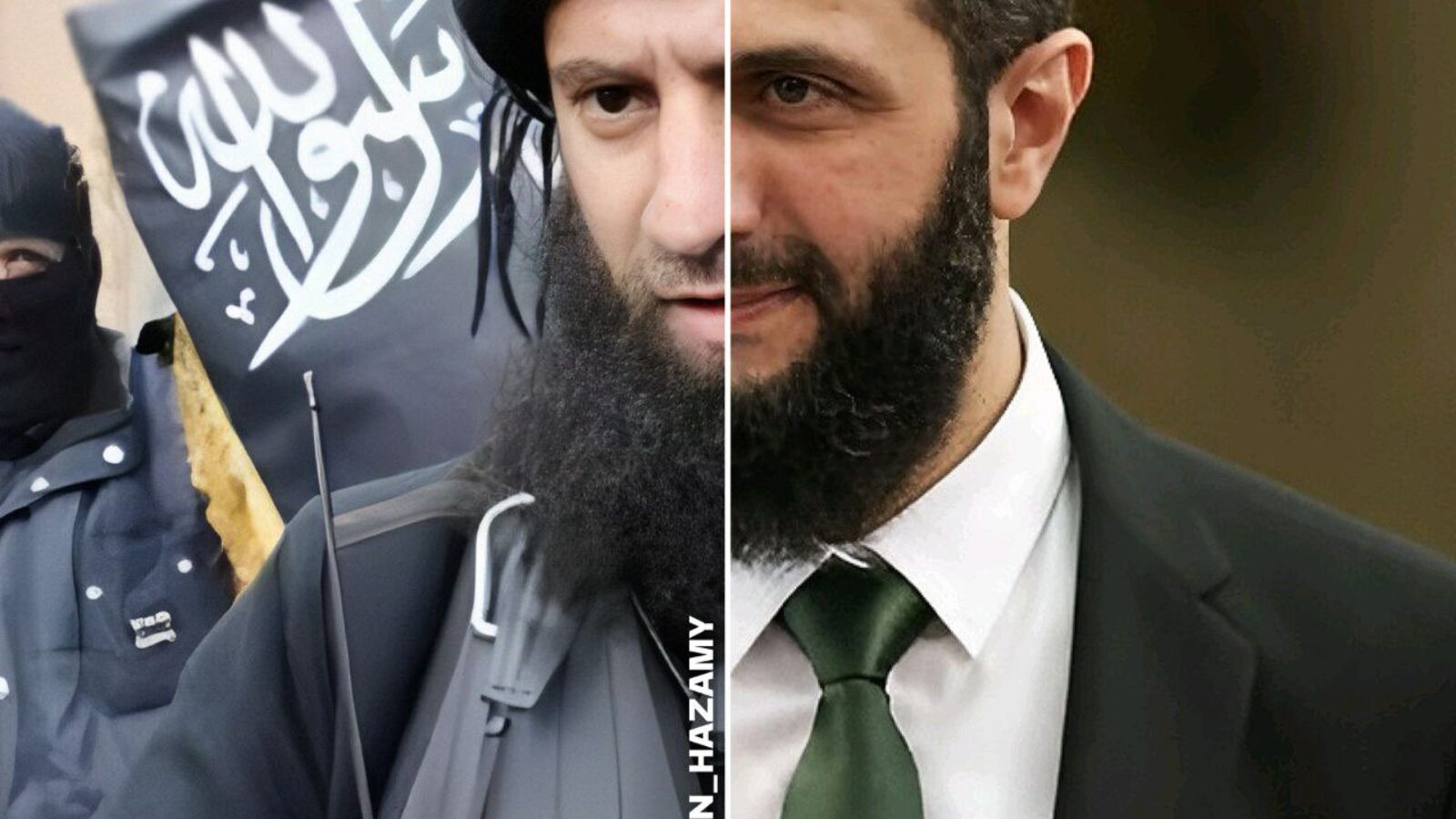
In the wake of brutal massacres against Christians and Alawites in Syria, the EU’s €2.5 billion pledge raises urgent questions about the international community’s response to escalating violence and humanitarian crises in the region.

The EU’s controversial decision to lift the terrorist designation of Syria’s foreign minister raises profound ethical questions amid ongoing atrocities against civilians. This development signals a troubling shift in international diplomacy.
