Democrat Mayor Caught in Fraud—And She’s Not Alone
Corruption in Democrat-run cities is sadly familiar, but the federal indictment of New Orleans Mayor LaToya Cantrell is historic and deeply troubling.

 Gregory Lyakhov
Corruption in Democrat-run cities is sadly familiar, but the federal indictment of New Orleans Mayor LaToya Cantrell is historic and deeply troubling.

Serious irregularities in the 2024 congressional election in Texas’s 28th district have raised significant concerns about the security and validity of the vote. The district is already in the national spotlight because incumbent Congressman Henry Cuellar (D-TX), now in his eleventh term, faces a federal investigation over more than $600,000 in payments from foreign entities. The central controversy, however, centers on the conduct of the vote count and compliance with Texas election law.

Jim Walden’s candidacy for New York City mayor offers something the city has not seen in decades: an independent, centrist leader willing to work directly with a Republican president to put public safety and economic stability ahead of political agendas. If elected, Walden has made it clear that he would cooperate with the Trump administration to restore immigration enforcement, end sanctuary city policies, and return the city’s focus to the needs of its residents.

In rural South Texas, prosecutors have brought forward one of the most significant vote-harvesting cases in recent state history. On May 1, 2025, a Frio County grand jury indicted six people, including multiple public officials, on felony election-fraud charges.

When the topic of insider trading in Congress comes up, Democrats are quick to accuse Republicans of corruption.

New York City’s political system has long been criticized for its inefficiency and its inability to address the corruption that plagues its institutions.

Democrats in Texas are currently accusing Republicans of using redistricting to gain a partisan advantage.

In both his first term and the first 200 days of his second, President Donald Trump has brokered more peace agreements than any other president in American history.

In recent years, the Nobel Peace Prize has too often gone to leaders whose actions brought instability rather than peace, eroding much of the award’s credibility.

In the aftermath of Hamas’s October 7, 2023, massacre—where over 1,200 Israelis were slaughtered in a terror attack that included rape, arson, and the execution of children—Americans expected bipartisan moral clarity.

Calls to release the Epstein files have grown louder in recent weeks—from both sides of the political aisle.

Donald Trump’s return to the White House has triggered a hard reset of the United States’ trade policy.

New York City is crumbling under failing schools, surging homelessness, and unsafe streets.

In South Texas, a grave scandal is unfolding—and almost no one in the national media is talking about it.

For too long, Senator Lindsey Graham has advanced policies and cast votes that conflict with the values of South Carolina Republicans.
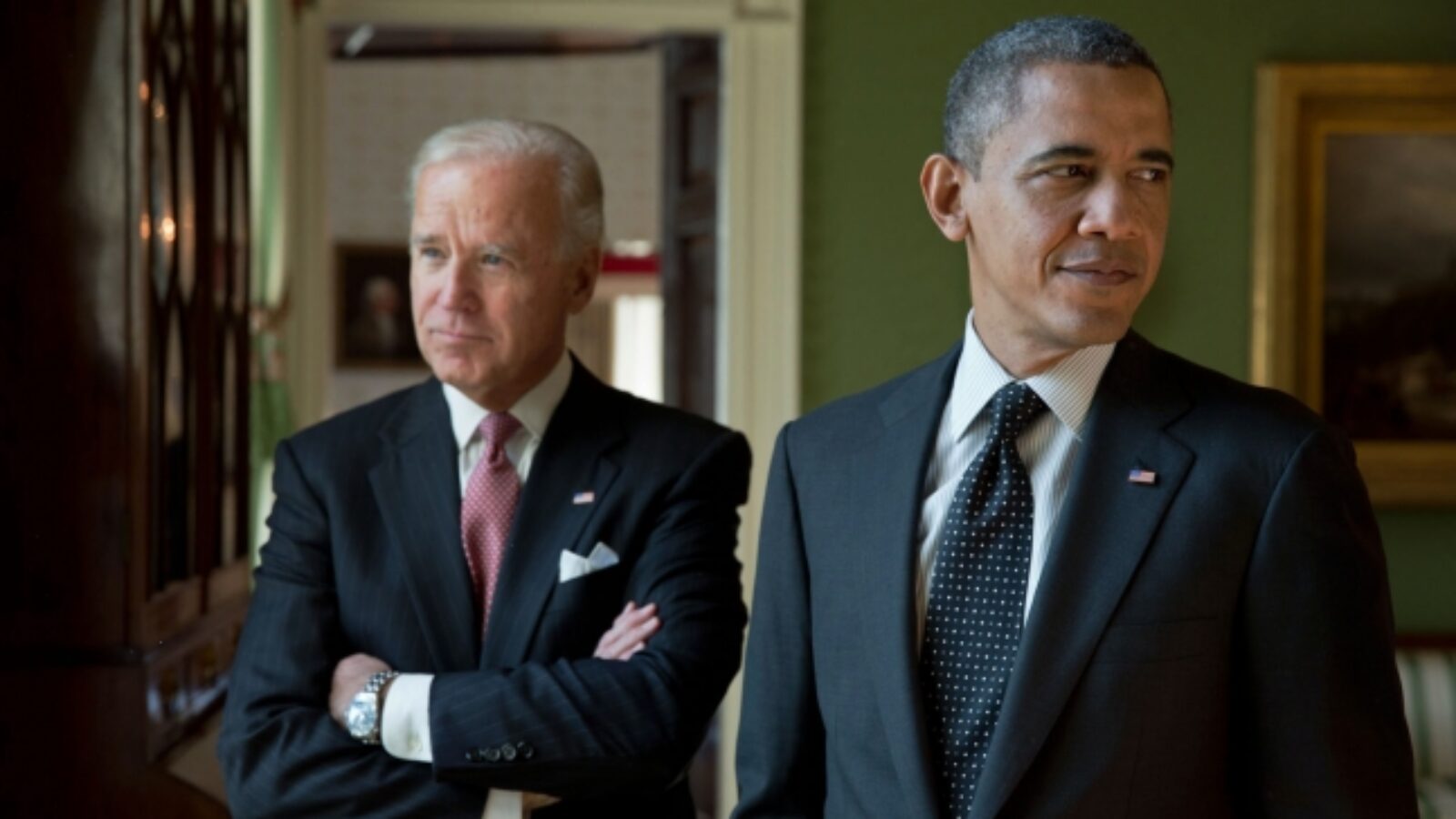
In the final months of President Obama’s second term, his administration quietly set the stage for one of the most divisive investigations in American history.

In the summer of 2015, Donald Trump entered the race for president.

Washington has long debated whether public institutions like NPR or the Department of Education are pushing ideological agendas.

Zohran Mamdani, a self-described socialist, has been called a communist by his competitors.
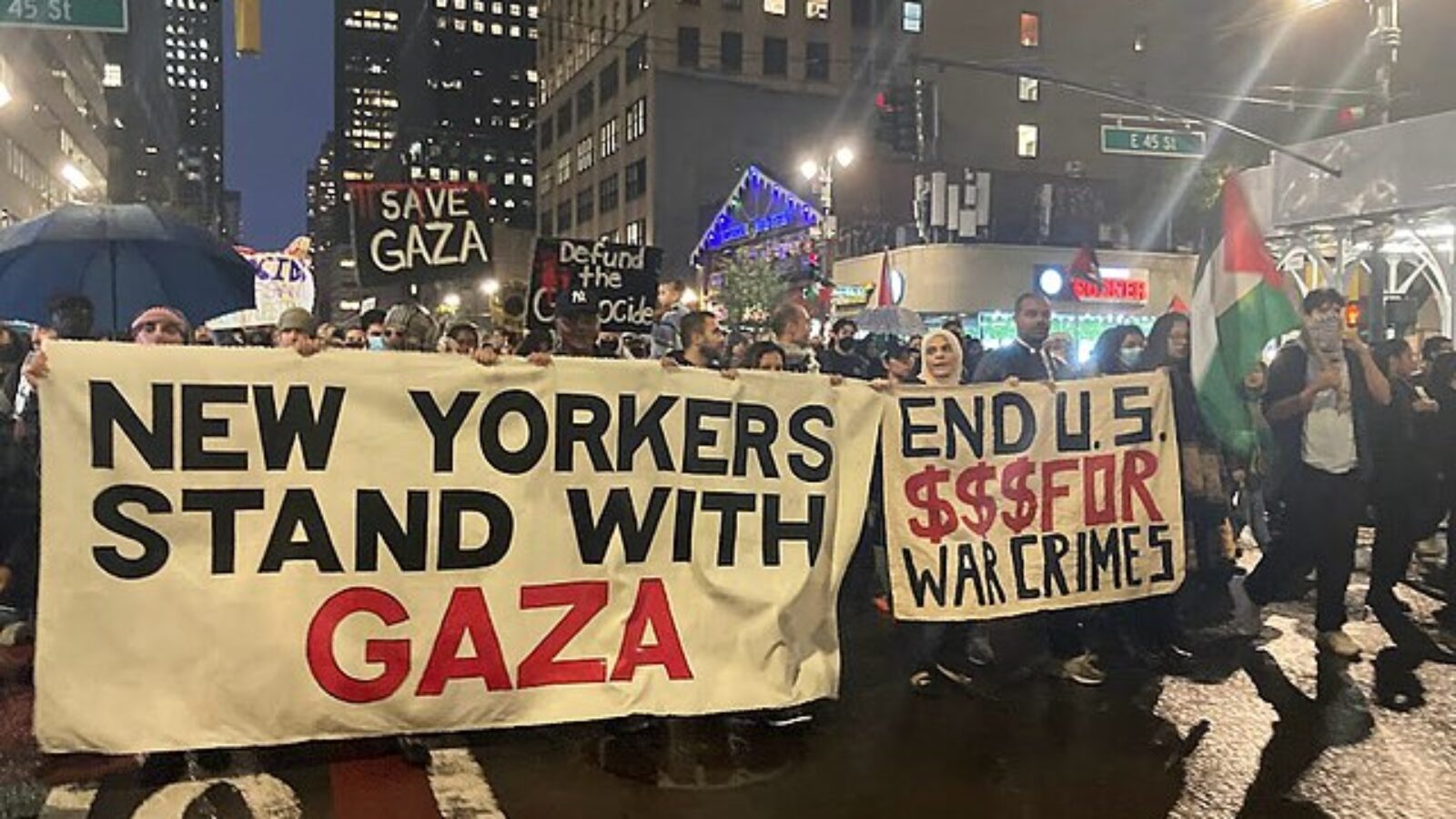
Zohran Mamdani’s victory in the New York City Democrat mayoral primary marks a troubling shift in the Party’s relationship with Jewish Americans.

Tomorrow, I’ll speak at the largest rally yet against New York City mayoral candidate Zohran Mamdani—a proud socialist whose radical agenda threatens our country’s future.

For decades, school choice carried a partisan label—firmly Republican and often dismissed by the Left.

While most headlines about Donald Trump focus on immigration, foreign policy, or tax cuts, it’s his education agenda that may have the most lasting impact.
In states like New York, where education policy is often entangled with politics, school choice has become a polarizing topic.

In recent years, several liberal state governments have pursued educational policies that have disrupted traditional K-12 education outcomes.


